0%

Hey, if you’re looking at the world of Industrial UAVs these days, understanding the market is pretty much essential. I mean, experts like Dr. Emily Carter over at Drone Innovations Inc. really put it into perspective when she says, ‘The real value of Industrial UAVs is how they can boost efficiency and cut down on operational costs.’ As we near 2026, it’s crucial for buyers to keep a few things in mind before making a move.

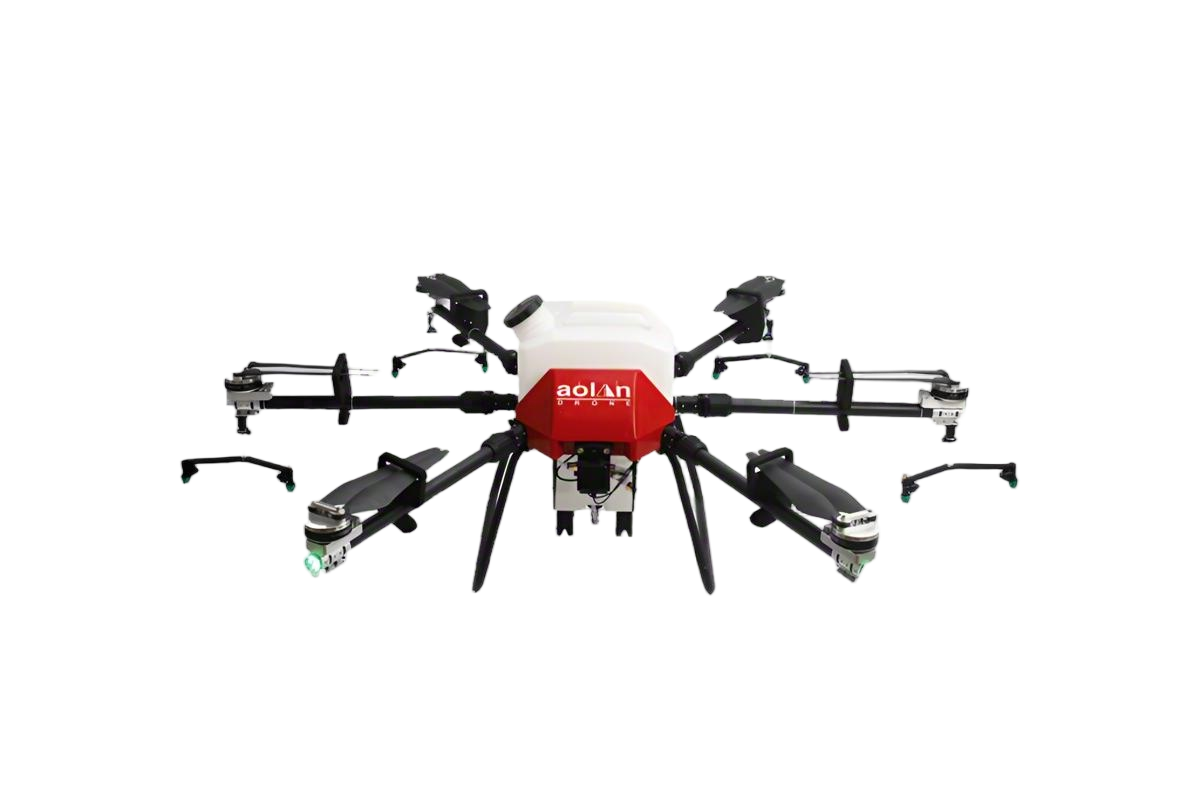
Thanks to all the tech advancements, these drones are becoming way more versatile than ever. They’re now being used in agriculture, construction, logistics—you name it. Every industry has its own set of needs and hurdles. So, it’s a good idea for buyers to dig into the specifics—things like payload capacity, flight time, and whether the drone’s features match what they actually need. Plus, a bunch of manufacturers are now throwing in data analytics tools with their UAVs. These can seriously help with smarter decision-making.

That said, there’s some stuff worth thinking over. With tech evolving so fast, it’s easy to feel a bit overwhelmed or behind the curve. Staying updated and constantly learning is key if you want to make informed choices. The potential with Industrial UAVs is huge, but understanding how they work and their complexities is just as important. Honestly, talking to experts and staying curious can really help buyers stay ahead in this ever-changing industry.

2026 Top Industrial UAVs What Buyers Need to Know

Understanding the Basics of Industrial UAVs in 2026

As we step into 2026, understanding industrial UAVs is crucial for potential buyers. These drones serve various sectors, including agriculture, construction, and logistics. Their ability to collect data, streamline operations, and reduce costs makes them indispensable. However, many buyers overlook key aspects before making a purchase.

One significant factor is the drone’s payload capacity. Knowing the specific requirements for your operations can help you choose the right model. Some UAVs can only carry lightweight sensors. Others may support heavier equipment, which could impact your project’s efficiency.

Tips: Identify your specific needs first. Ask about the drone’s endurance and flight range. These specifications can significantly affect how well the UAV performs in real-world scenarios.

Another consideration is software compatibility. The best UAVs integrate seamlessly with existing systems. This integration facilitates data analysis and enhances workflow efficiency. However, not all drones offer this feature, which can lead to operational issues later.

Tips: Research software options and compatibility. Consider user reviews about their experiences in this area. This insight can save you time and resources down the line.

Being informed about these essentials forms the basis of a smart investment in industrial UAVs. A thoughtful approach can make all the difference in finding the perfect fit for your needs.

Key Features to Look for in Top Industrial UAVs

When considering the top industrial UAVs in 2026, several key features are essential. Buyers must prioritize payload capacity, battery life, and range. A higher payload capacity allows for versatile applications, from surveying to package delivery. Efficiency in battery life enhances operational time, minimizing downtime during missions. Range is critical; it determines how far the UAV can travel for inspections or monitoring.

Additionally, buyers should evaluate the UAV's stability and control systems. Advanced stabilization technology helps in capturing clear images in varying weather conditions. User-friendly interfaces and remote control capabilities increase accessibility for operators with varying skill levels. It's vital to reflect on the drone's maintenance requirements, as complex systems can lead to higher operational costs over time.

Finally, data security is another crucial aspect. Protecting sensitive information gathered during flights is essential to maintain trust and comply with regulations. While seeking the top industrial UAVs, understanding these features will lead to informed decisions and successful outcomes in various industries.

Comparing Different Types of Industrial UAVs

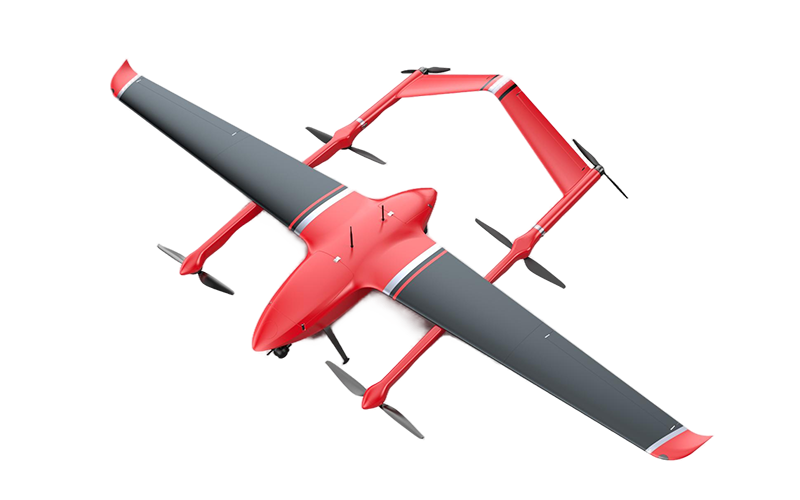
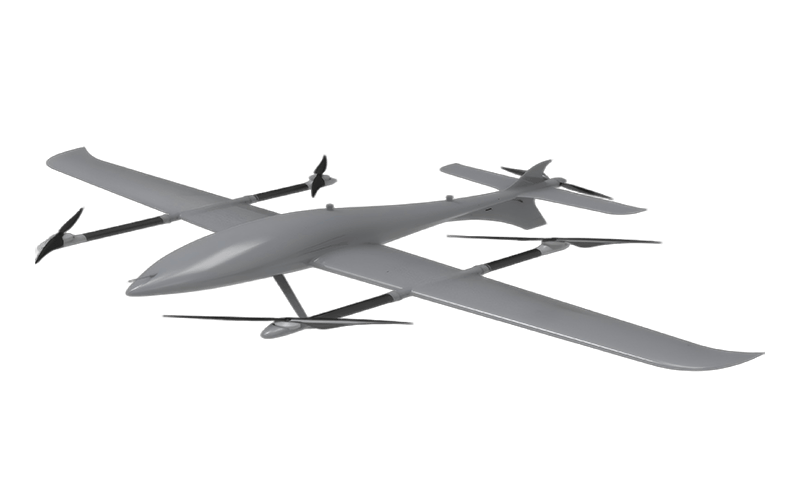
In 2026, industrial UAVs are becoming essential tools for various sectors. When comparing different types, it's crucial to consider their capabilities and applications. Fixed-wing UAVs excel in long-distance surveys. These UAVs fly at a higher altitude and can cover larger areas efficiently. They are ideal for agriculture and environmental monitoring. However, their complexity can be daunting for beginners.

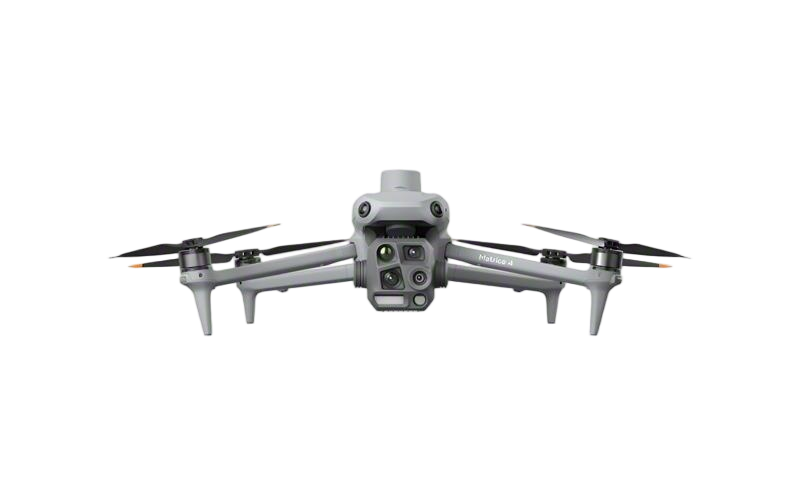
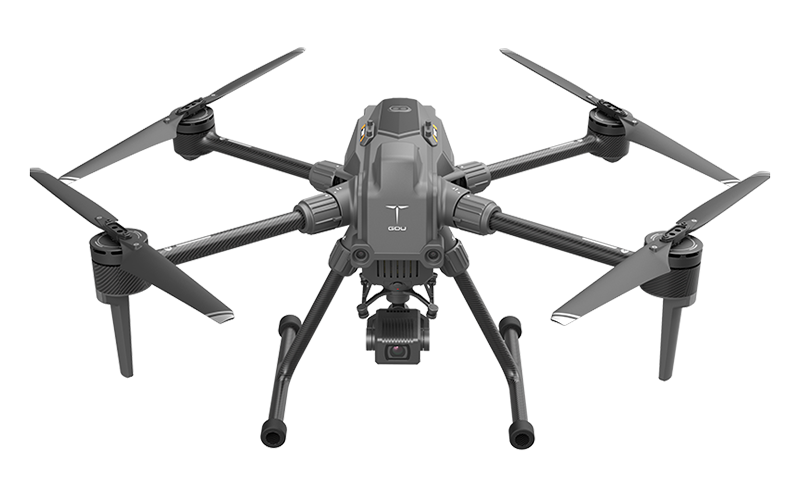
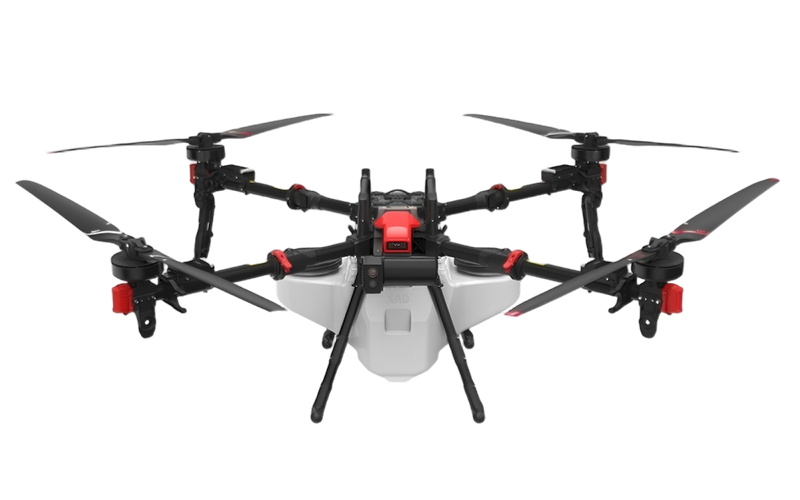
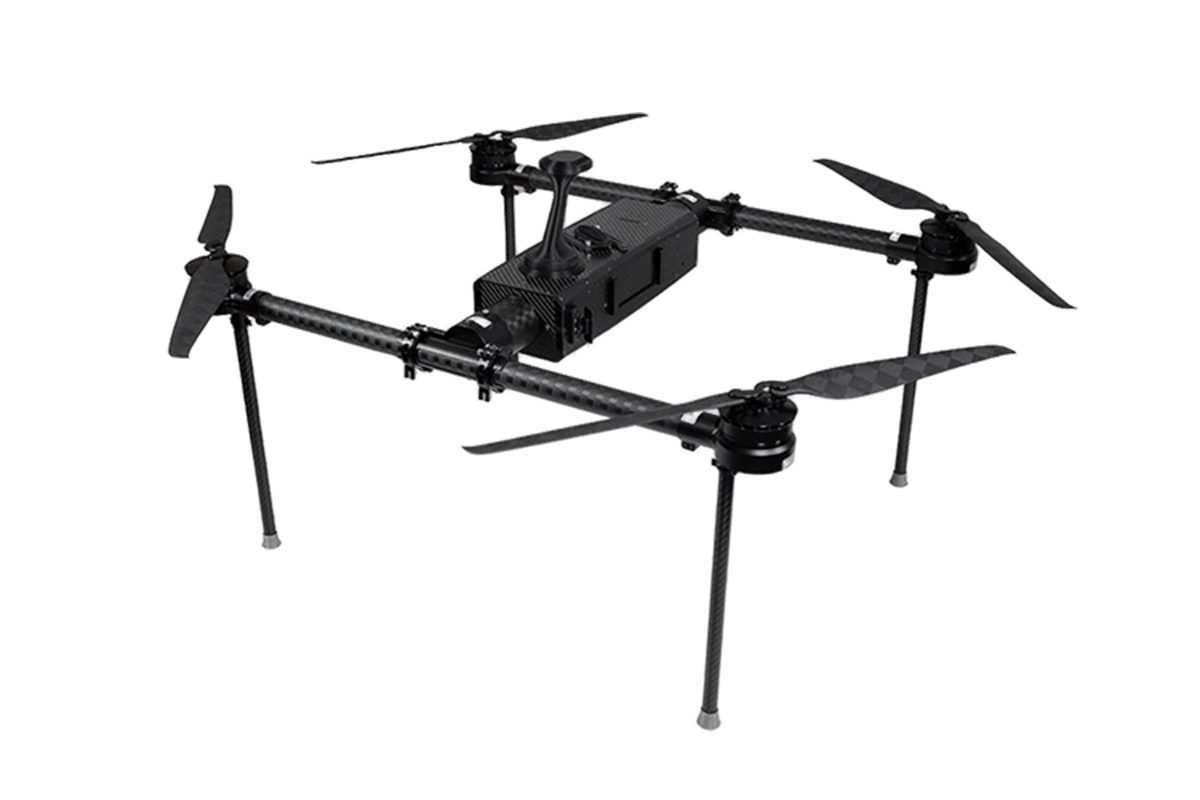
Multirotor UAVs offer versatility and ease of use. They are perfect for detailed inspections and capture high-resolution images. Their ability to hover provides detailed data collection, especially in urban environments. However, battery life can often limit operational time, which might frustrate users.

Hybrid UAVs combine the benefits of both fixed-wing and multirotor designs. They offer extended flight range while maintaining agility. This can be appealing but may entail higher costs and maintenance. Users need to weigh these factors against their specific requirements. Collecting user feedback can greatly enhance the decision-making process. Understanding individual needs is key to selecting the right UAV for any operation.

2026 Top Industrial UAVs: Types and Payload Capacities

Regulatory Considerations for UAV Buyers

When considering the purchase of industrial UAVs in 2026, understanding regulatory frameworks is crucial. Regulations often vary by region, impacting how UAVs can be used in various industries. Buyers need to know that compliance with these regulations can be a complex process. Familiarizing oneself with local airspace restrictions and registration requirements is essential. This groundwork lays the foundation for successful UAV operations.

Obtaining necessary permits is another critical aspect. Each region has specific requirements for operating UAVs commercially. These may include certifications or pilot training. Failing to meet these mandates can hinder operations and lead to costly delays. Buyers should reflect on their capabilities to navigate this intricate landscape. Staying informed about regulatory updates is equally vital, as laws in this field evolve rapidly.

Prospective buyers should engage with industry experts when delving into regulations. This approach can clarify potential pitfalls and streamline the purchasing process. Understanding the regulatory environment not only ensures compliance but also enhances the overall effectiveness of UAV deployment. Engaging with local authorities and organizations can provide valuable insights. These connections often prove beneficial in navigating complicated regulations.

Cost Analysis: Budgeting for Industrial UAVs

When budgeting for industrial UAVs in 2026, understanding the true costs is vital. Initial purchase prices vary widely. Factors influencing these costs include the UAV’s size, capabilities, and features. Buyers often overlook additional expenses. Training for operators can be substantial. Maintenance and insurance must be factored in as well.

Future technology advancements may lead to price changes. Buyers should stay updated on industry trends. This involves research and potentially consulting experts. Hidden costs can arise through software updates and regulatory compliance. Understanding these elements helps in creating a realistic budget.

Many buyers get caught up in the initial costs. They fail to account for lifecycles. A UAV's longevity can impact overall value. Investing in quality equipment may reduce future expenses. Buyers must reflect on their needs and usage. Sometimes, cheaper options lead to greater expenses later. Balancing initial outlay with long-term reliability is essential.

Top Brands and Models to Consider in 2026

As the UAV industry evolves, buyers face a variety of choices in 2026. Key factors include payload capacity, flight time, and range. Data from industry reports indicates that multicopters are increasingly popular, especially among commercial users. Their versatility makes them suitable for tasks ranging from surveying to delivery.

In recent years, the average flight time of top UAVs has increased. Reports show leading models now offer over 30 minutes of flight time, a significant improvement. This enhancement allows for more extensive coverage in applications like agriculture and mapping. However, buyers should consider the trade-offs. Higher performance often means a higher price point.

Many new entrants have emerged in the market, challenging established players. This creates an abundance of choices. It's important for buyers to evaluate their specific needs. Detailed specifications and user reviews should guide decisions. Learning from previous purchases can help avoid pitfalls. In a rapidly changing landscape, staying informed is essential.

Future Trends in Industrial UAV Technology

The landscape of industrial UAV technology is evolving rapidly. As we approach 2026, several key trends are shaping the future of these aerial vehicles. Enhanced automation is one of these trends. More UAVs will operate autonomously, reducing the need for human intervention. This can lead to increased efficiency in tasks such as inspections and surveys. However, the challenges of ensuring reliability and safety still exist.

Another significant trend is the integration of advanced sensors. These sensors enhance capabilities in real-time data collection and analysis. Higher resolution imaging and multispectral sensors will allow for precise monitoring of infrastructure and agriculture. Yet, buyers must remain aware of the complexities involved with data interpretation. The technology may provide vast amounts of information, but making sense of it requires expertise.

Electric power systems are expected to dominate future UAV models. They offer quieter operations and reduced carbon footprints. However, the reliance on battery technology raises questions about flight times and recharge cycles. Potential buyers need to consider the limitations of current battery technology while evaluating UAV options. The industry's growth continues, but buyers must navigate these challenges carefully. Each innovation brings about both opportunities and new challenges to consider.

2026 Top Industrial UAVs - Key Information for Buyers

UAV Model Payload Capacity (kg) Max Flight Time (minutes) Range (km) Application Areas Key Technologies
Model A 5 30 15 Agriculture, Surveying AI Navigation, HD Camera
Model B 10 40 20 Construction, Inspection Lidar Technology, Real-Time Data
Model C 15 50 25 Emergency Response, Delivery Autonomous Flight, 5G Connectivity
Model D 8 35 18 Environmental Monitoring Thermal Imaging, Satellite Link

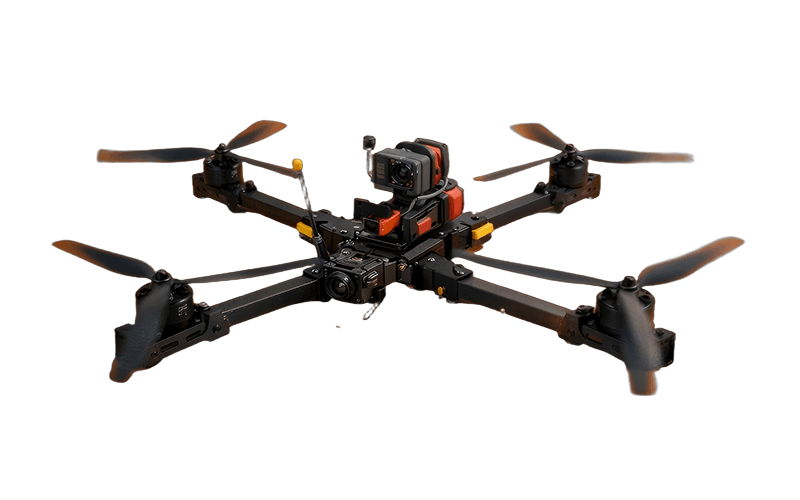
Comprehensive Guide to the Keel Mini Quadcopter: Features, Applications, and Benefits in Industrial Mapping and Inspection

The Keel Mini Quadcopter represents a significant advancement in aerial data collection technology, particularly for industrial mapping and inspection tasks. Designed with precision and efficiency in mind, this professional-grade solution is equipped with high-resolution cameras and advanced navigation systems, ensuring that users can capture detailed aerial imagery and data from various angles and altitudes. Its compact size and lightweight design enhance mobility, making it an ideal choice for surveying vast areas quickly and accurately.

One of the standout features of the Keel Mini Quadcopter is its versatility in applications. Whether used for monitoring construction sites, assessing infrastructure health, or performing environmental studies, it streamlines the data-gathering process effectively. The enhanced mapping capabilities not only improve operational efficiency but also provide stakeholders with critical insights into project progression and site conditions, facilitating timely decision-making. As industries increasingly rely on aerial solutions for their inspection needs, the Keel Mini Quadcopter proves to be an invaluable tool in elevating the standards of operational excellence.

FAQS

: What should buyers prioritize when selecting industrial U

Vs?

Why is battery life important for UAVs?

Efficiency in battery life directly impacts operational time, reducing downtime during important missions.

How does range affect UAV usage?

Range determines how far the UAV can travel for critical tasks like inspections and monitoring.

What role does stability play in UAV performance?

Advanced stabilization technology enhances image clarity, especially in adverse weather conditions.

Why is user-friendliness important for UAVs?

A user-friendly interface allows operators with varying skills to operate drones effectively without extensive training.

What should buyers consider about maintenance requirements?

Complex systems may lead to higher operational costs over time, so maintenance should be evaluated carefully.

Why is data security crucial for UAV operations?

Protecting sensitive information is vital to maintain trust and adhere to regulatory standards.

What regulatory considerations should buyers understand?

Buyers need to familiarize themselves with local airspace regulations, registration, and compliance requirements.

How can obtaining permits affect UAV operations?

Each region has unique requirements, and failing to secure necessary permits can cause costly delays.

What is the benefit of engaging with industry experts?

They can clarify regulations and help to navigate the complexities of UAV acquisition and compliance.

Conclusion

The article "2026 Top Industrial UAVs: What Buyers Need to Know" provides a comprehensive overview of the evolving landscape of Industrial UAVs. It begins by outlining the fundamental concepts of these unmanned aerial vehicles, emphasizing their increasing importance in various sectors. Key features such as payload capacity, flight endurance, and advanced navigation systems are highlighted as critical factors for potential buyers.

Additionally, the article compares different types of Industrial UAVs, addressing the diverse needs across industries. Regulatory considerations are also discussed, ensuring that buyers are informed about compliance with aviation laws. A cost analysis aids in budgeting for these sophisticated technologies, while the examination of future trends sheds light on how advancements will shape the market. Overall, this article equips buyers with essential knowledge to make informed decisions about Industrial UAVs in 2026.

Emily

Emily

Emily is a dynamic and skilled marketing professional with a deep understanding of UAV systems and their applications across various industries, including agriculture, energy, and smart cities. With a passion for integrated innovation, she plays a critical role in showcasing how her company builds......
Previous How to Choose the Best Fertilizer Drone for Your Farm?